Comparing Popular Brands: Which Tech Products Reign Supreme Today
In the rapidly evolving world of technology, consumers are often faced with a plethora of options when it comes to choosing the right products. With brands constantly innovating and releasing new gadgets, it can be overwhelming to determine which tech products truly stand out. This article delves into the leading brands in the tech industry, comparing their offerings to help you make informed purchasing decisions. By examining key features, performance, and user experiences, we aim to highlight which products reign supreme today.
Brand Overview
When discussing tech products, it’s essential to start with an overview of the major players in the market. Companies like Apple, Samsung, and Microsoft have established themselves as leaders, each with a unique approach to technology. Apple is renowned for its sleek design and user-friendly interfaces, while Samsung is celebrated for its cutting-edge hardware and extensive product range. Microsoft, on the other hand, excels in software solutions and productivity tools, making it a staple in both personal and professional environments.
Understanding the strengths and weaknesses of these brands can provide valuable insights into their product lines. For instance, Apple’s ecosystem is tightly integrated, allowing seamless connectivity between devices, which is a significant advantage for users who own multiple Apple products. Conversely, Samsung’s diverse offerings cater to a broader audience, providing options for various budgets and preferences. This comparison sets the stage for a deeper dive into specific product categories.
Smartphones: A Closer Look
Smartphones are arguably the most personal tech devices we own, and the competition among brands is fierce. Apple’s iPhone consistently ranks high in user satisfaction due to its intuitive interface and robust security features. The latest models boast impressive camera capabilities and performance, making them a favorite among photography enthusiasts. However, Samsung’s Galaxy series offers compelling alternatives, particularly with its high-resolution displays and versatile camera systems that appeal to a different segment of users.
When comparing these two giants, it’s crucial to consider factors such as operating system preference, hardware specifications, and price points. While iPhones tend to have a higher price tag, many users find the investment worthwhile due to the longevity and resale value of the devices. On the other hand, Samsung provides a range of options from budget to premium, allowing consumers to choose based on their financial constraints without sacrificing quality.
Laptops: Performance and Portability
Laptops are another critical category where brand comparison is essential. Apple’s MacBook line is often praised for its build quality and performance, particularly in creative fields such as graphic design and video editing. The macOS operating system is optimized for these tasks, providing a smooth user experience. However, brands like Dell and HP have made significant strides in the laptop market, offering powerful Windows machines that cater to gamers and business professionals alike.
When evaluating laptops, consider the intended use and portability. For users who travel frequently, lightweight models with long battery life are paramount. Dell’s XPS series and HP’s Spectre line are excellent choices for those seeking high performance without the bulk. Ultimately, the decision may come down to personal preference regarding operating systems and specific use cases.
Wearable Technology: Fitness Meets Functionality
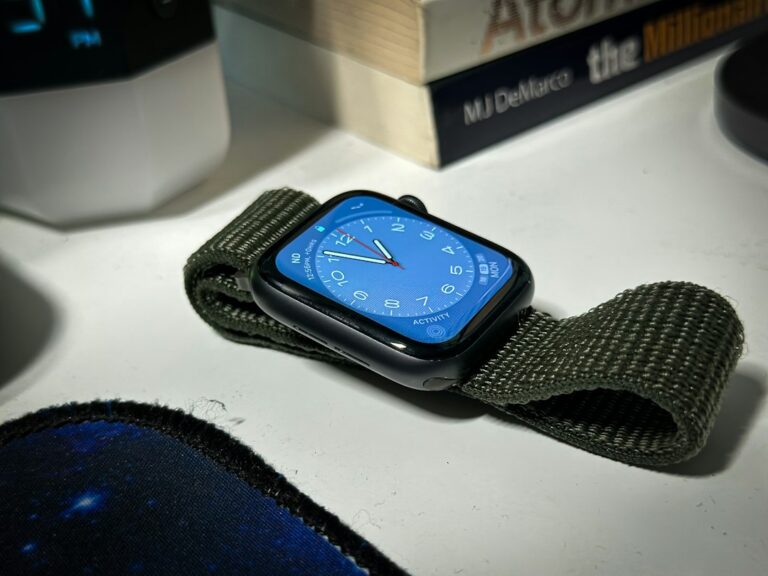
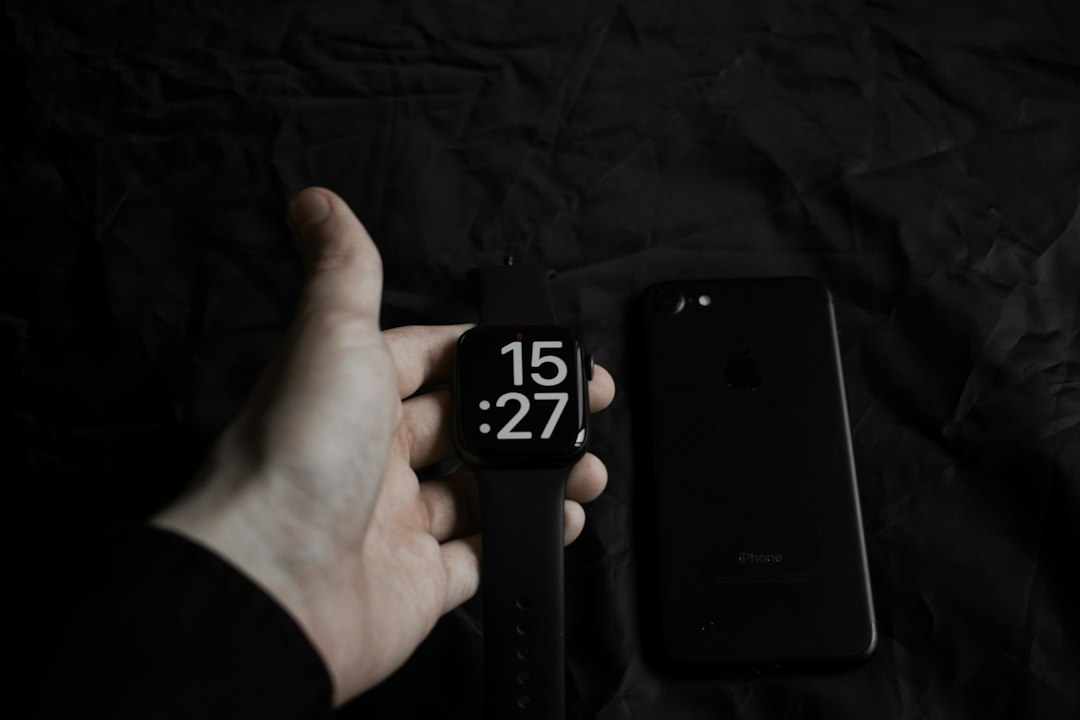
Wearable technology has surged in popularity, with brands like Fitbit, Apple, and Garmin leading the charge. Apple Watch is often regarded as the gold standard in smartwatches, offering a comprehensive suite of health tracking features and seamless integration with the iPhone. However, Fitbit has carved out a niche for itself with a focus on fitness and wellness, appealing to users who prioritize health metrics over smartphone capabilities.
Garmin, known for its GPS technology, excels in the fitness tracking space, particularly for outdoor enthusiasts and athletes. When choosing a wearable, consider what features are most important to you, whether it’s fitness tracking, notifications, or battery life. Each brand offers unique advantages, making it essential to align your choice with your lifestyle and fitness goals.
Step-by-step plan:
Step 1: Identify your tech needs based on lifestyle and preferences. Step 2: Research leading brands and their product offerings in your desired category. Step 3: Compare features, prices, and user reviews to narrow down your options. Step 4: Make an informed purchase decision that aligns with your budget and requirements.