A Comprehensive Guide to Smart Home Devices and Their Benefits
Smart home devices have revolutionized the way we interact with our living spaces, offering convenience, security, and energy efficiency. However, many misconceptions surround these technologies, leading to confusion and hesitation among potential users. This guide aims to clarify these myths and highlight the true benefits of integrating smart devices into your home.
Myth: Smart Home Devices Are Too Complicated to Use
Many people believe that smart home devices are overly complicated and require extensive technical knowledge to operate. This myth often stems from the perception that technology is inherently difficult to understand. In reality, most smart home devices are designed with user-friendliness in mind, featuring intuitive interfaces and straightforward setup processes. Many products come with user-friendly apps that guide you through installation and daily use, making them accessible to everyone.
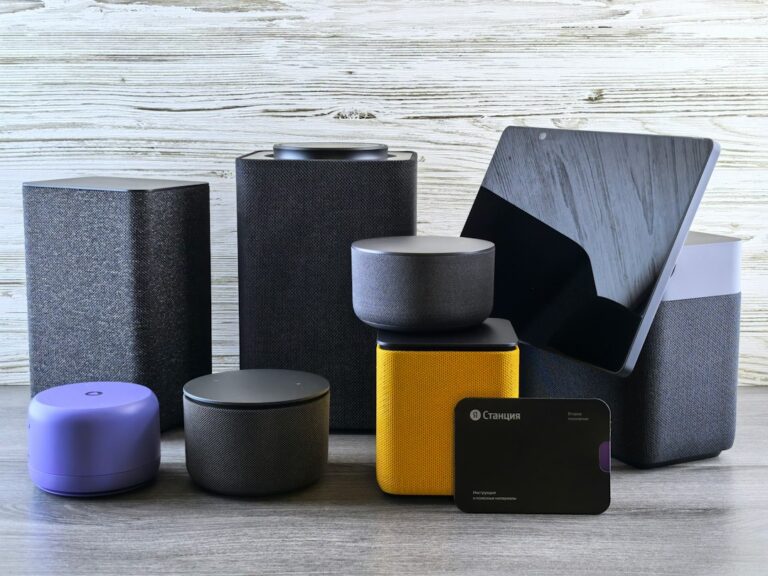
Furthermore, manufacturers are continuously improving their products to enhance usability. For instance, voice-activated assistants like Amazon Alexa or Google Assistant allow users to control their devices with simple voice commands. This means that even those who are not tech-savvy can enjoy the benefits of smart home technology without feeling overwhelmed.
Truth: Smart Home Devices Enhance Daily Life
Contrary to the myth of complexity, smart home devices can significantly enhance daily life by automating routine tasks. For example, smart thermostats learn your heating and cooling preferences, adjusting temperatures automatically to maximize comfort and energy savings. This not only makes your home more comfortable but also helps reduce energy bills, contributing to a more sustainable lifestyle.
Myth: Smart Home Devices Are Insecure
Another common misconception is that smart home devices pose significant security risks. Many people worry that hackers can easily gain access to their personal information through these devices. While it is true that any internet-connected device can be vulnerable, manufacturers are increasingly prioritizing security in their designs. Regular software updates and robust encryption methods are now standard practices to protect user data.
Moreover, users can take proactive steps to enhance their security. Setting strong, unique passwords and enabling two-factor authentication can significantly reduce the risk of unauthorized access. By being mindful of security practices, you can enjoy the benefits of smart home technology without compromising your safety.
Truth: Smart Home Devices Offer Energy Efficiency
One of the most significant advantages of smart home devices is their potential for energy efficiency. Smart plugs, for example, allow you to monitor and control the energy consumption of your appliances. By scheduling devices to turn off when not in use, you can reduce energy waste and lower your utility bills.
Additionally, smart home systems can provide insights into your energy usage patterns, helping you identify areas for improvement. This data-driven approach empowers homeowners to make informed decisions about their energy consumption, ultimately leading to a more eco-friendly lifestyle. Embracing smart technology can contribute to a greener planet while saving you money.
Myth: Smart Home Devices Are Expensive
Many potential users shy away from smart home technology due to the belief that it is prohibitively expensive. While some high-end devices can carry a hefty price tag, there are numerous affordable options available on the market. Many companies offer budget-friendly alternatives that provide essential features without breaking the bank.
Moreover, the long-term savings associated with energy-efficient smart devices can offset the initial investment. By reducing energy consumption and enhancing home security, smart home devices can ultimately save you money over time. Therefore, the perception of high costs should not deter you from exploring the benefits of smart technology.